Sewing
Sewing Tips & Basics
Sewing for beginners, taught through small projects: an accurate seam, clean corners, straight topstitching, closing a gap invisibly and finishing seams so they never fray.
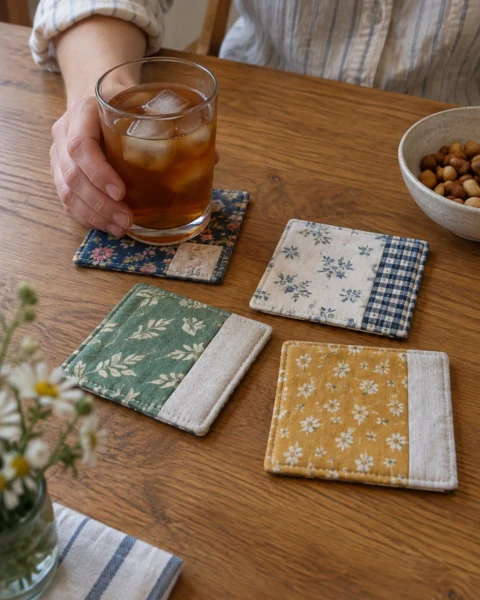
Fabric Coasters Free Sewing Pattern (Straight Seam Practice)
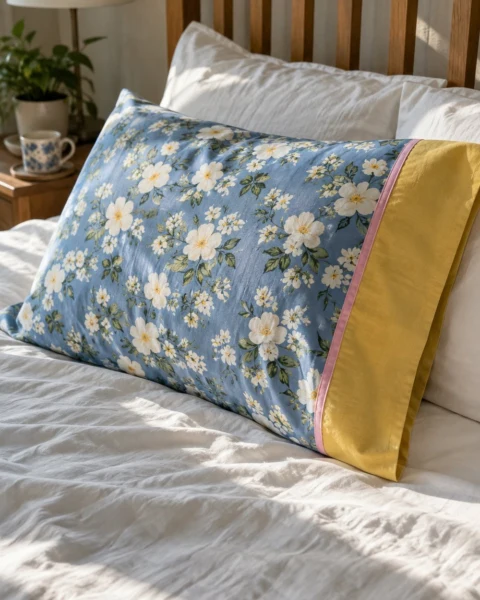
Burrito Pillowcase Free Sewing Pattern (Beginner Project)
About this collection
Learning by making. I would rather you learn a seam by sewing a pillowcase than by stitching lines on scrap paper. Each project here teaches one or two skills and leaves you with something useful.
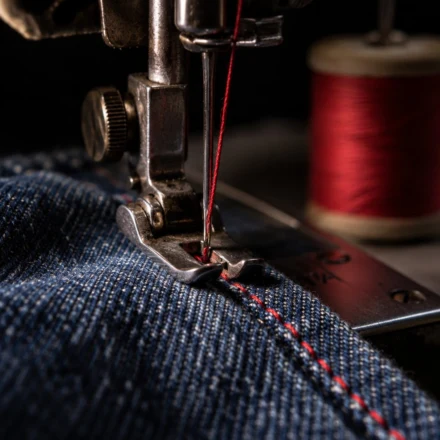
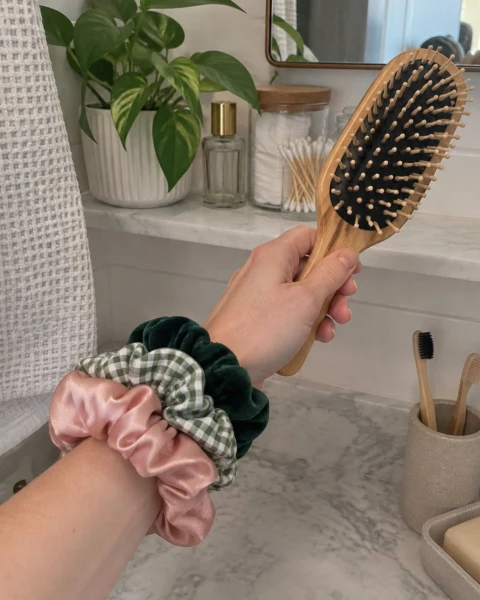
The skills, in order. Thread the machine and sew a straight seam (coasters), hide every raw edge (the burrito pillowcase), sew a tube and close it by hand (scrunchies). Those three cover most of what the other patterns ask of you.
Common problems. Thread bunching underneath usually means the top thread is not in the tension discs, so rethread with the presser foot up. Skipped stitches mean a blunt or wrong needle. A wavy seam means you are pulling the fabric instead of letting the feed dogs move it.
What next? Once these feel easy, move on to the bag patterns and home projects.
Questions about sewing basics
What is a seam allowance?
The distance between the fabric edge and your stitching line. Sewing patterns usually use 3/8 to 5/8 in, quilting uses 1/4 in.
How do I sew a straight line?
Line the fabric edge up with the seam guide on the machine plate, watch the guide rather than the needle, and let the machine feed the fabric without pulling.
Why does my thread keep breaking or bunching?
Rethread the machine with the presser foot up, check that the bobbin is inserted the right way, change to a new needle and use good quality polyester thread.
How do I finish seams so they do not fray?
Zigzag or overlock the raw edges, trim them with pinking shears, or use French seams on light fabrics.