Sewing
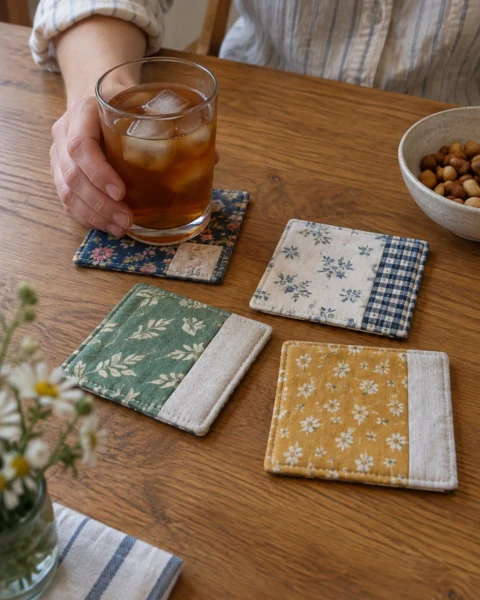
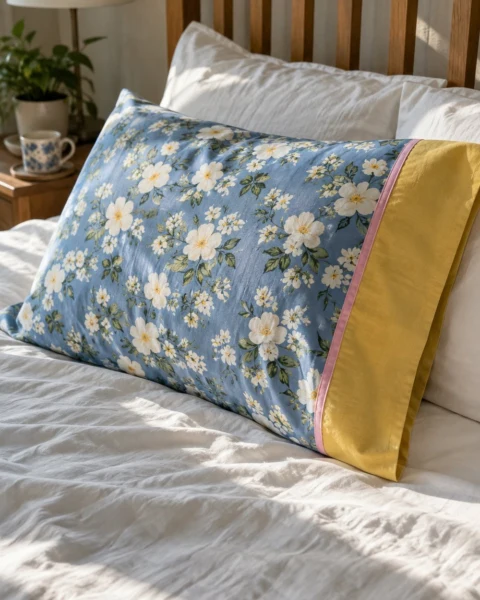
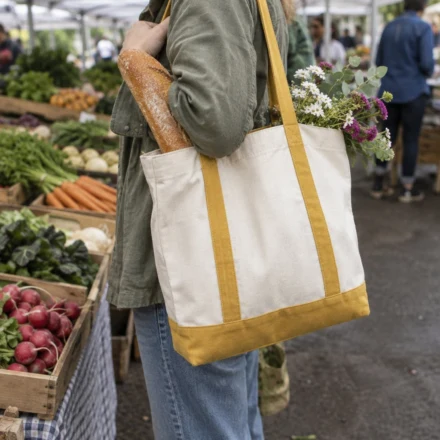
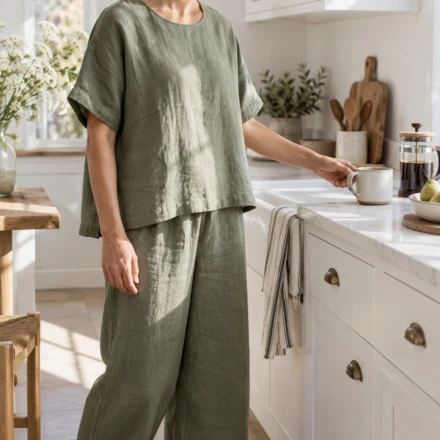
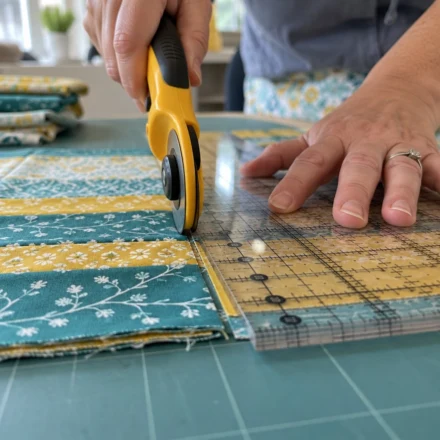
Totes, zipper pouches, simple tops, cushions and gifts, with every cutting size listed.
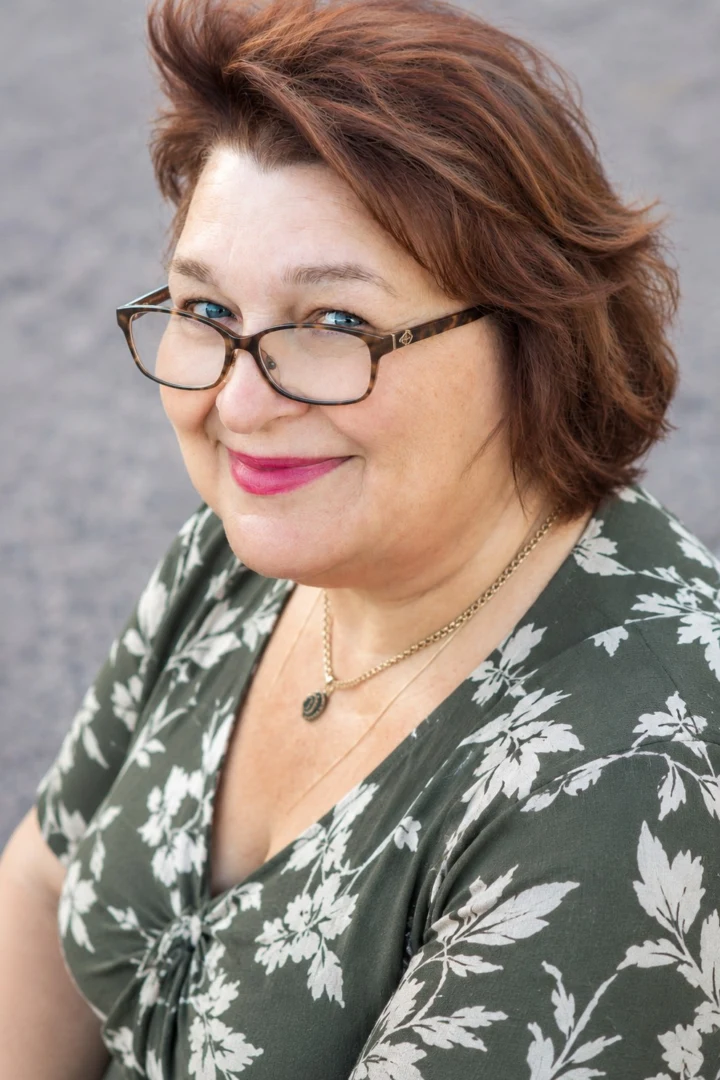
Welcome to Vera's Sewing Room
I’m Vera Holm. Every pattern here comes with the numbers you need: cutting sizes, fabric amounts, floss colours and each step in order. Pick a craft and let’s make something.
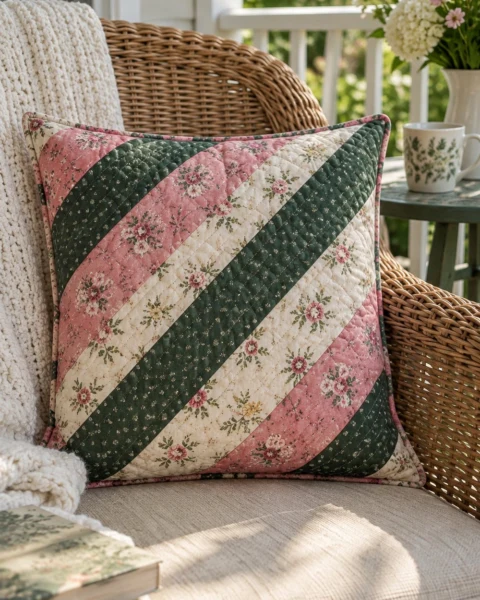
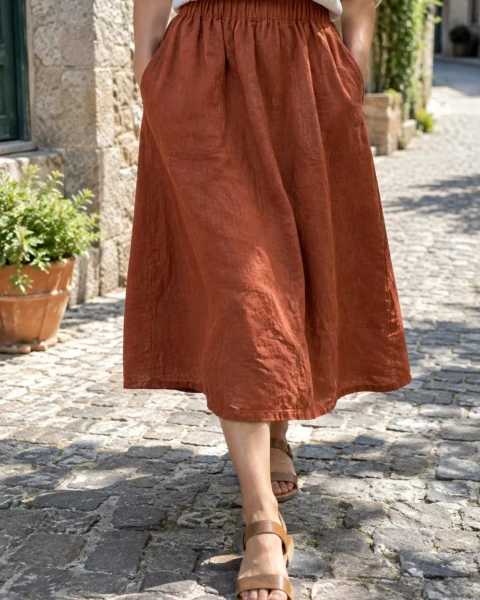
Totes, zipper pouches, simple tops, cushions and gifts, with every cutting size listed.
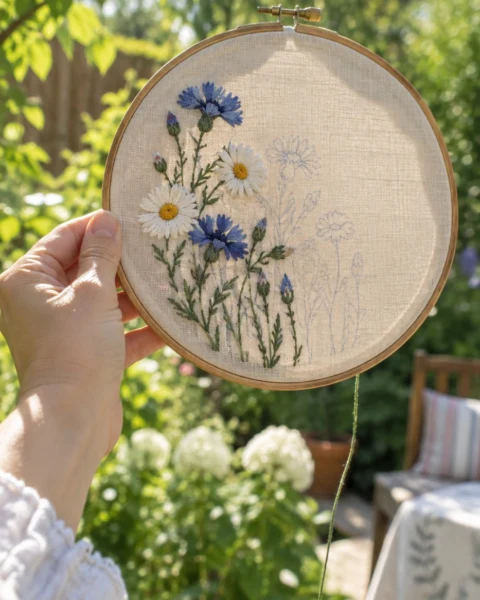
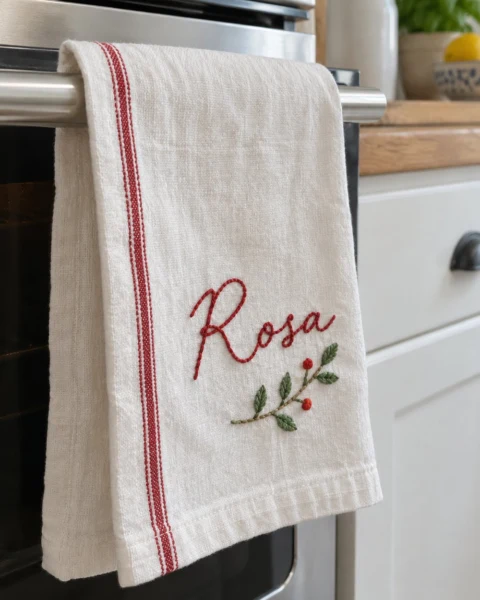
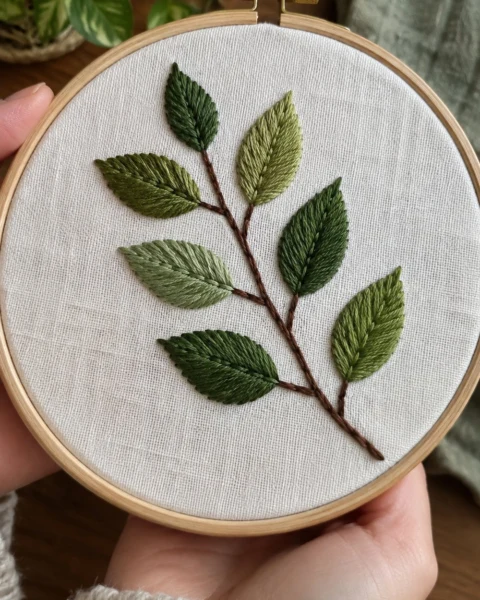
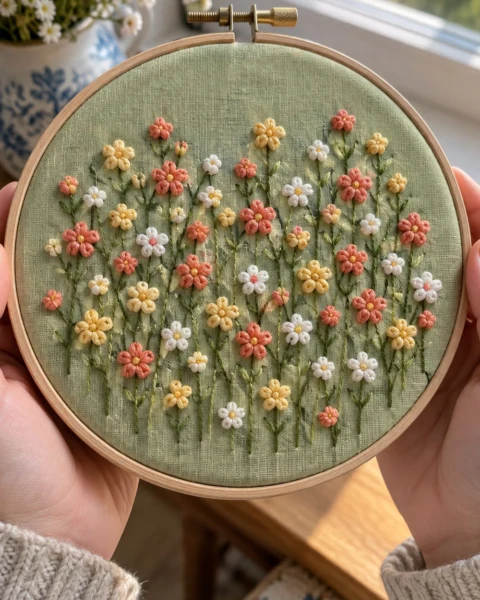
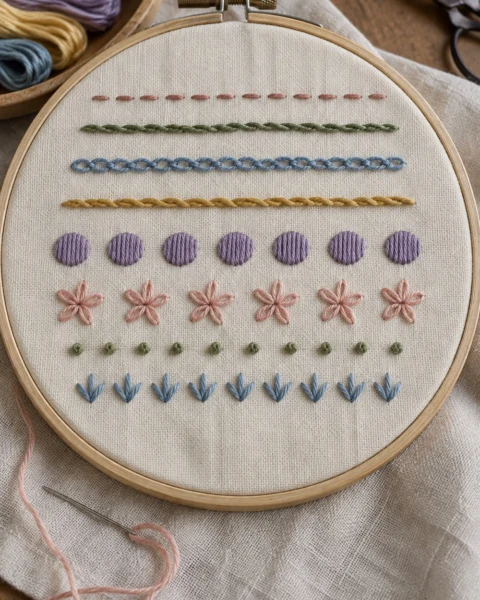
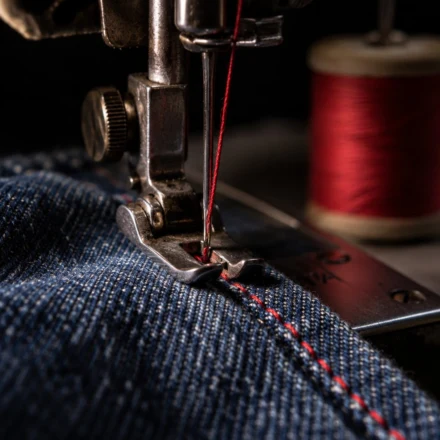
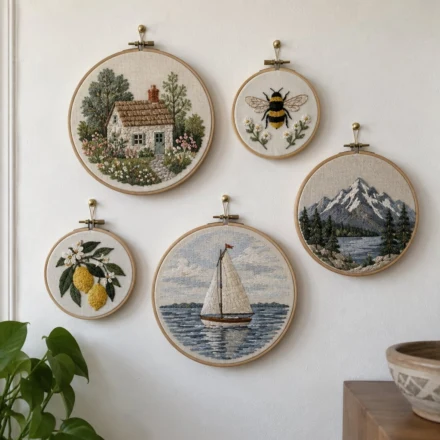
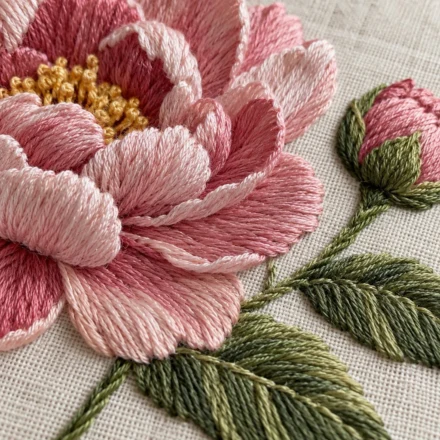
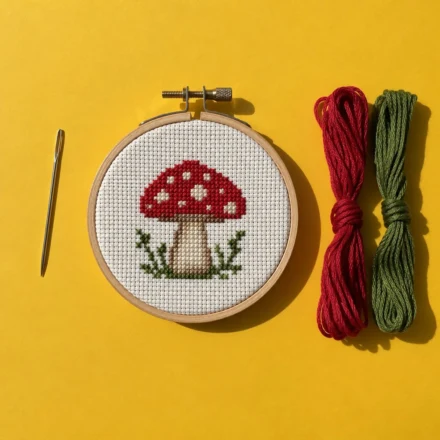
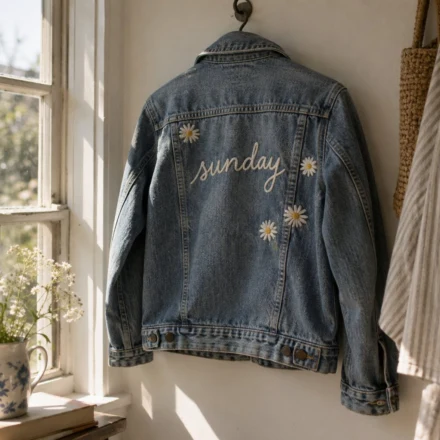
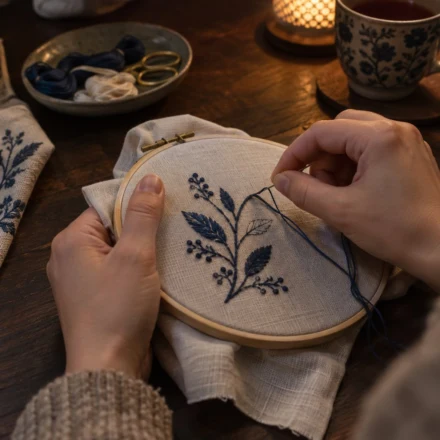
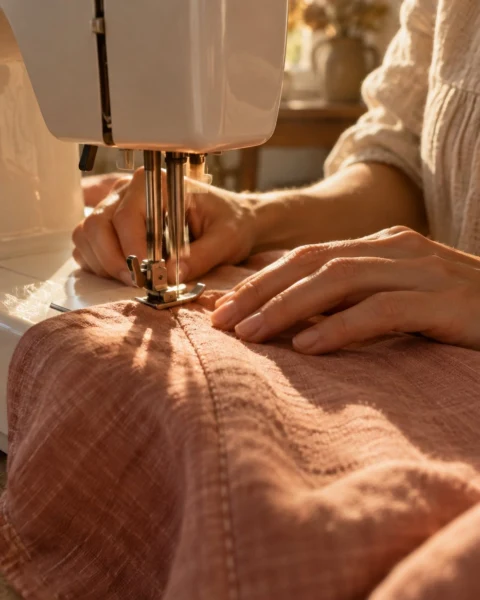
Hoop art, wildflowers, lettering and cross stitch, with the floss colours named.
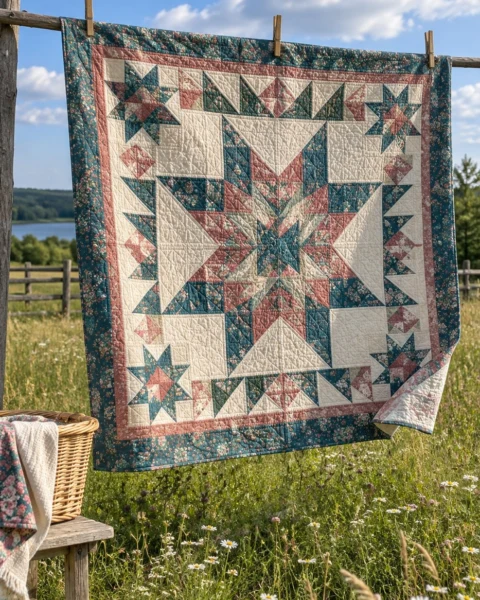
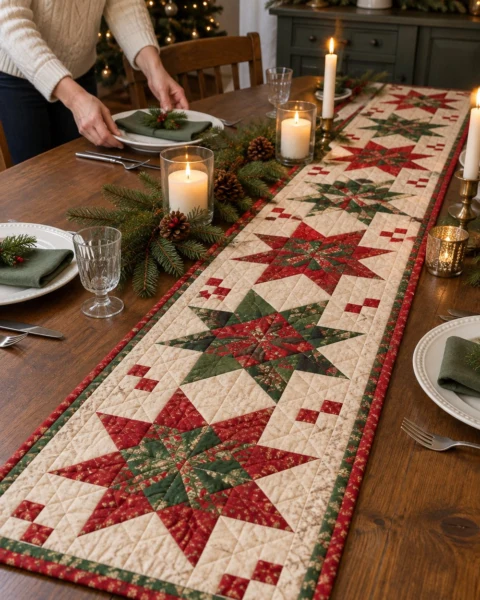
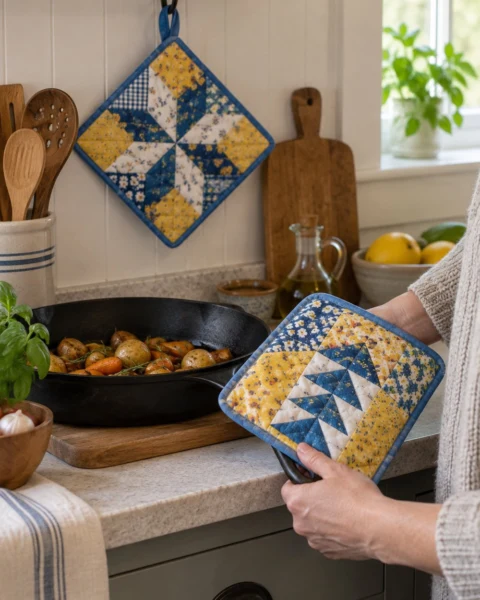
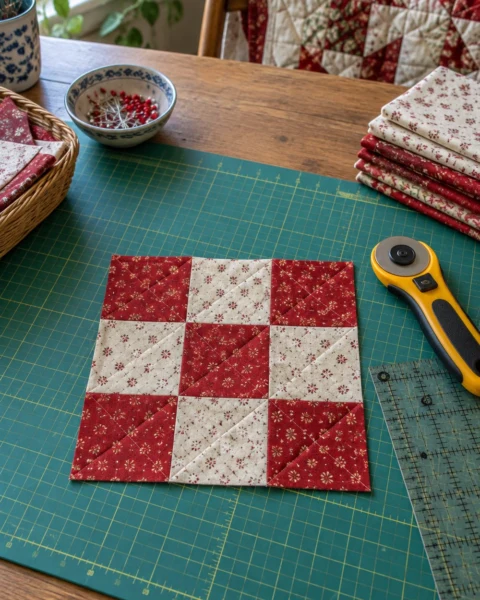
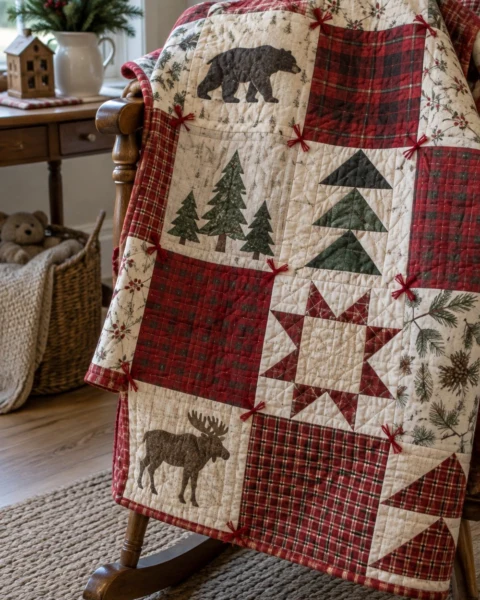
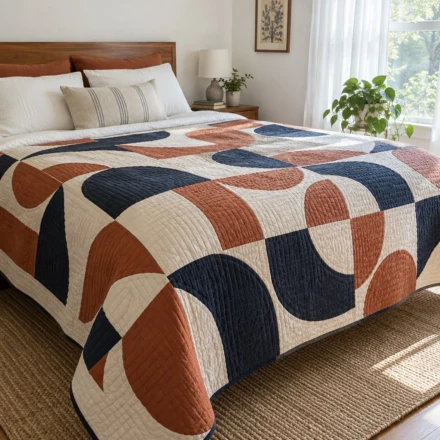
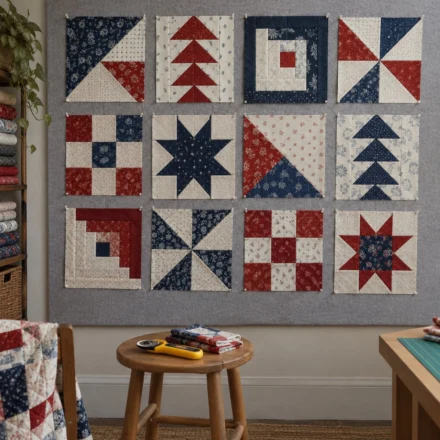
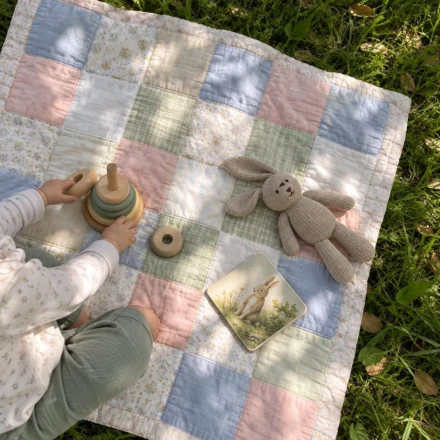
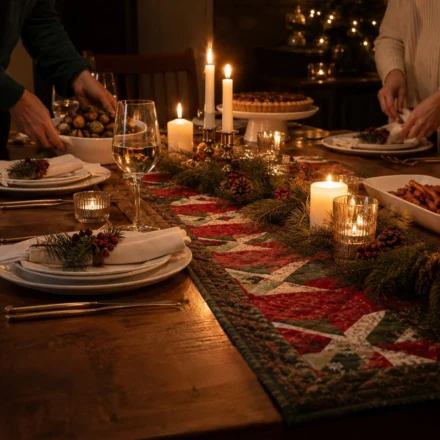
Quilts, blocks, baby quilts and table runners, with fabric amounts and cutting charts.
I'm Vera Holm. I sew, embroider and quilt, and this is where I write my patterns down in full so you can make them too. You can read more about me here.
Yes. Every pattern can be read in full on the page, with nothing behind a paywall. If you want a printable copy, the Download PDF button sends one to your inbox.
Not for everything. All the embroidery and cross stitch patterns are stitched by hand, and many small sewing projects can be hand sewn. Bags, clothes and quilts go much faster on a basic straight-stitch machine.
Quilting patterns use a 1/4 in (6 mm) seam allowance. Sewing patterns state theirs at the top of the cutting list, usually 3/8 or 1/2 in (1 to 1.3 cm). Every measurement is given in inches with centimetres in brackets.
For an everyday lined tote about 14 x 15 in, plan on 1/2 yd of outer fabric and 1/2 yd of lining, plus either 1/4 yd of fabric or about 2 yd of cotton webbing for the straps. Each of my bag patterns lists the exact amounts.
A pillowcase, an envelope cushion cover or an unlined tote bag. They are all rectangles and straight seams, so you learn to cut, pin, sew and press without any tricky shapes.
Two or three strands for most outlines, one strand for fine details like stems and lettering, and three to six strands for bold fills and French knots. My patterns say how many strands to use for every part of the design.
On light fabric, tape the design to a sunny window or a lightbox and trace it with a water-soluble pen. On dark or thick fabric, use a printable stick-and-stitch stabilizer or dressmaker's carbon paper.
Most baby quilts are between 36 x 36 in and 36 x 52 in (about 91 x 91 cm to 91 x 132 cm). A crib quilt is usually close to 36 x 52 in, and a play mat around 40 x 40 in.
For a 36 x 45 in baby quilt, plan on about 1 1/2 yd for the top, 3/8 yd for binding, and backing that is 4 in bigger than the top on every side: 1 1/2 yd of extra-wide backing, or two widths of standard quilting cotton sewn together.
A fat quarter is a quarter yard of quilting cotton cut "fat": about 18 x 21 in (46 x 53 cm) instead of a 9 in strip across the full width. It is the favourite size for scrappy blocks, pouches and small projects.
You are welcome to sell finished items you make yourself at markets or in a small online shop. Please do not resell, reprint or share the pattern text, charts or photos.
Yes. Every pattern has a Download PDF button. Add your email once and the printable version unlocks at the end of the pattern.
Me! Send the pattern name and the step number through the contact page and I will help you work it out.